By continuing your navigation on this website, you accept the use of cookies for statistical purposes.

Philip Glass
The Photographer
𝙋𝙝𝙞𝙡𝙞𝙥 𝙂𝙡𝙖𝙨𝙨’ “𝙏𝙝𝙚 𝙋𝙝𝙤𝙩𝙤𝙜𝙧𝙖𝙥𝙝𝙚𝙧” 𝙞𝙨 𝙖 𝙝𝙖𝙪𝙣𝙩𝙞𝙣𝙜 𝙘𝙝𝙖𝙢𝙗𝙚𝙧 𝙬𝙤𝙧𝙠 𝙩𝙝𝙖𝙩 𝙘𝙖𝙥𝙩𝙪𝙧𝙚𝙨 𝙖𝙣 𝙚𝙖𝙧𝙡𝙮, 𝙥𝙤𝙬𝙚𝙧𝙛𝙪𝙡 𝙙𝙞𝙨𝙩𝙞𝙡𝙡𝙖𝙩𝙞𝙤𝙣 𝙤𝙛 𝙝𝙞𝙨 𝙢𝙞𝙣𝙞𝙢𝙖𝙡𝙞𝙨𝙩 𝙡𝙖𝙣𝙜𝙪𝙖𝙜𝙚 — 𝙧𝙚𝙥𝙚𝙩𝙞𝙩𝙞𝙫𝙚 𝙚𝙢𝙗𝙧𝙤𝙞𝙙𝙚𝙧𝙞𝙚𝙨, 𝙘𝙞𝙧𝙘𝙪𝙡𝙖𝙧 𝙧𝙝𝙮𝙩𝙝𝙢𝙨 𝙖𝙣𝙙 𝙖 𝙥𝙪𝙧𝙚, 𝙥𝙪𝙡𝙨𝙞𝙣𝙜 𝙨𝙚𝙣𝙨𝙚 𝙤𝙛 𝙙𝙧𝙖𝙢𝙖.
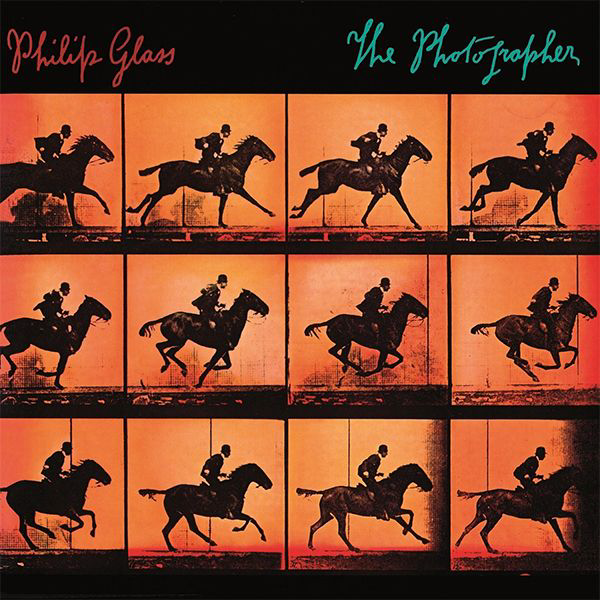
Written as a dance-theatre piece inspired by the troubled life of 19th-century photographer Eadweard Muybridge, the music unfolds in three contrasting sections. The opening and closing acts are classic Glass: interlocking woodwinds, repeating motifs and gently shifting harmonies create a hypnotic tension that never quite resolves, echoing the psychological unease at the heart of the story.
Between them sits a set of songs — fragile, lyrical and unexpectedly direct — that bring a human, emotional clarity to the score. Throughout, the ensemble writing is lean but incredibly evocative, showing Glass at a point where his style was both rigorous and luminous.
Strange, beautiful and quietly gripping, “The Photographer” stands as one of Glass’s most distinctive early works — music that seems to freeze time, like Muybridge’s own images.
A1
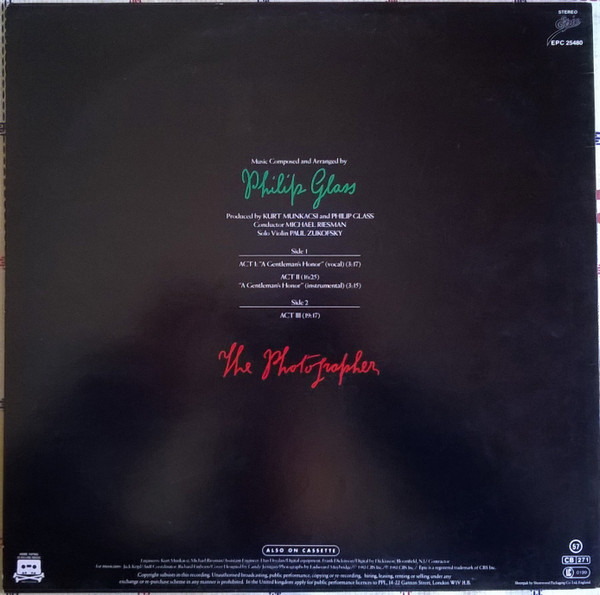
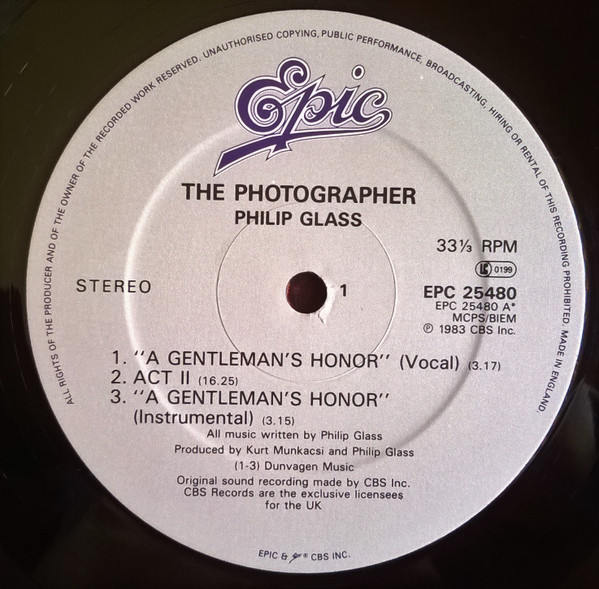
Act I: A Gentleman's Honor (Vocal)
A2
Act II
A3
A Gentleman's Honor (Instrumental)
B
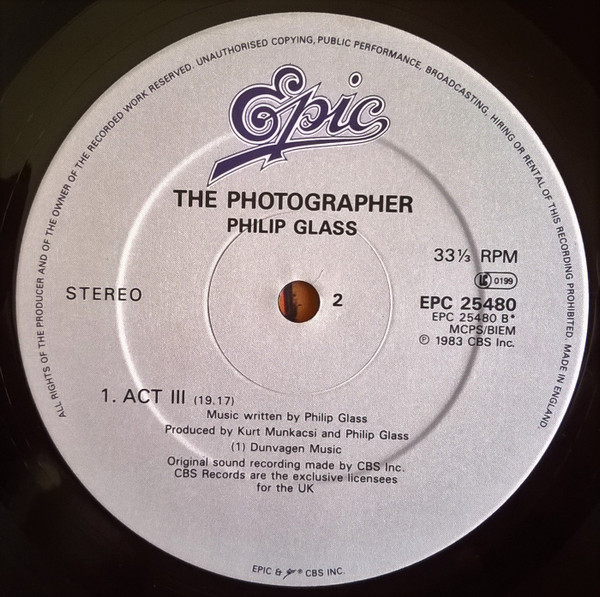
Act III